The first time you receive a message that simply says “k”, it can feel confusing. Maybe you sent a long text explaining something, and the reply you got was just “k.” You might wonder:
Are they annoyed? Are they agreeing? Did they even read my message? 🤔
Short text replies are very common in modern messaging, especially on social media and texting apps.
People often shorten words to save time or sound casual.
Quick Answer:
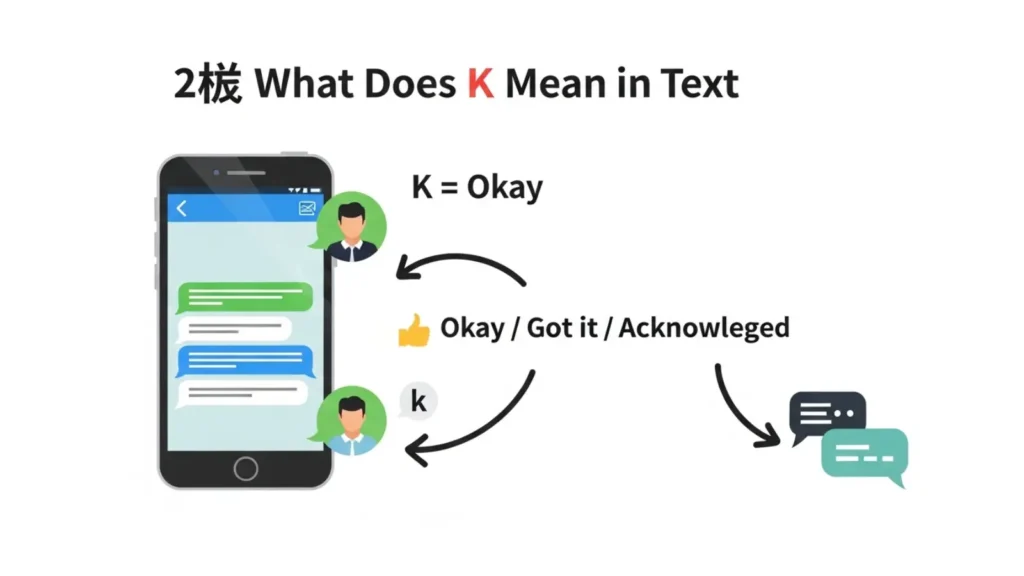
K means “Okay.” It’s a very short, casual way of acknowledging a message or showing agreement in text conversations.
However, the tone of “k” can change depending on the situation. Sometimes it feels friendly, while other times it might sound slightly dismissive or uninterested.
Let’s break down exactly what “k” means in text, when people use it, and how to understand its tone.
What Does K Mean in Text?
In texting slang, “k” is simply a shortened version of the word “okay.”
People often use it when they want to quickly acknowledge a message without typing the full word. Since texting is usually fast and informal, many users shorten common words to a single letter.
For example:
Example sentence:
“i’ll meet you at 6.”
“k.”
In this conversation, “k” simply means “okay” or “got it.”
However, context matters. A single-letter reply like “k” can sometimes sound:
- Neutral
- Slightly cold
- Very quick or rushed
- Casual between close friends
Because of this, some people prefer using “ok” or “okay” instead, which can sound a bit warmer.
In short: K = Okay = A quick acknowledgment or agreement in text.
Where Is K Commonly Used?
The slang “k” appears mostly in casual digital conversations where short replies are normal.
Here are the places where you’ll commonly see it:
📱 Text messages
People often reply with “k” when confirming plans or acknowledging something.
👻 Snapchat chats
Short replies like “k,” “ok,” or “kk” are very common in quick Snapchat conversations.
📸 Instagram DMs
Users often send quick replies like “k” when responding to casual messages.
🎮 Gaming chats
Gamers frequently use short replies like “k” during fast-paced conversations.
💬 Group chats
In busy group chats, people use “k” to acknowledge messages without typing long responses.
Tone:
- Very casual
- Short and quick
- Not suitable for formal communication
Because it’s extremely brief, some people might interpret “k” as slightly blunt or uninterested, especially if the previous message was long.
Examples of K in Conversation
Here are some realistic examples showing how “k” appears in everyday texting.
1️⃣ Confirming a Plan
A: we’re meeting at 7 tonight
B: k 👍
2️⃣ Acknowledging Information
A: don’t forget to bring the tickets
B: k i got them
3️⃣ Quick Reply
A: i’ll call you later
B: k
4️⃣ Casual Chat Between Friends
A: send me the address
B: k one sec
5️⃣ Group Chat Response
A: movie night starts at 9
B: k see you
6️⃣ Gaming Chat
A: defend the base
B: k
These examples show that “k” is mostly used for quick acknowledgment, not deep conversations.
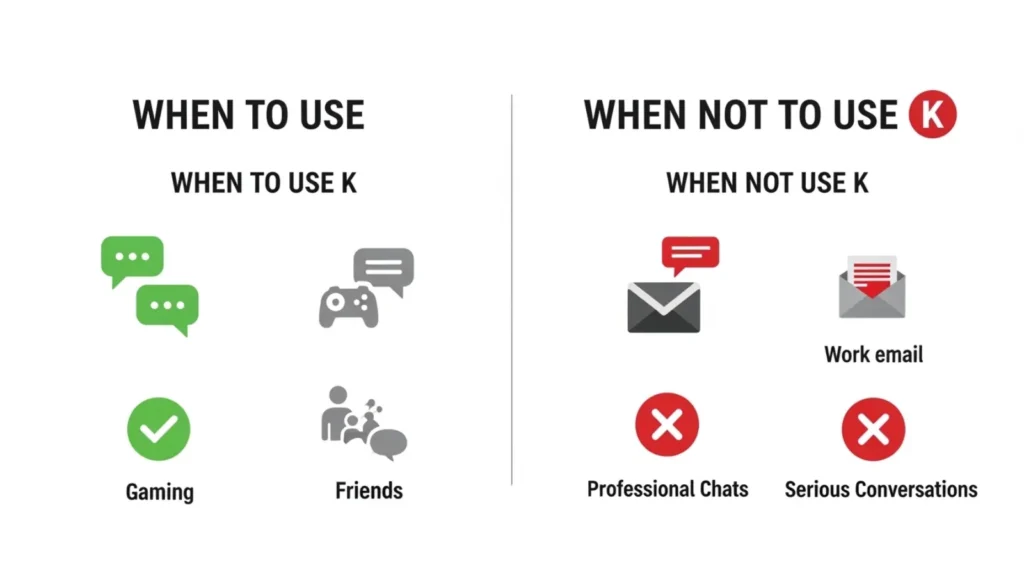
When to Use and When Not to Use K
Because “k” is extremely short, it works well in casual chats but not everywhere.
✅ When to Use
You can use “k” in these situations:
- Casual conversations with friends
- Quick acknowledgments
- Group chats with relaxed tone
- Gaming or fast messaging
- Responding to simple instructions
Example:
“i’ll send the file later”
“k”
❌ When Not to Use
Avoid using “k” in these situations:
- Professional work chats
- Emails or formal communication
- Serious conversations
- When someone sends a long emotional message
- Talking to elders or authority figures
In these cases, “okay” or “sure” sounds more polite.
Context Comparison Table
| Context | Example Phrase | Why It Works |
|---|---|---|
| Friend Chat | “k see you later 😄” | Casual and quick |
| Group Chat | “k got it” | Simple acknowledgment |
| Work Chat | “Okay, I will do that.” | Professional tone |
| “Okay, I’ll review the document.” | Clear and polite |
This table shows how different situations require different levels of formality.
Similar Slang Words or Alternatives
Sometimes people use other short replies instead of “k.” Here are some common alternatives.
| Slang | Meaning | When to Use |
|---|---|---|
| OK | Okay | Neutral texting |
| KK | Okay okay | Friendly acknowledgment |
| Gotcha | I understand | Casual conversations |
| Sure | Agreement | Friendly or polite reply |
| Bet | Okay / sounds good | Popular among younger users |
| Alright | Confirmation | Slightly more polite |
Among these options, “kk” often sounds friendlier than “k.”
For example:
A: i’ll send the link
B: kk 👍
FAQs About K
What does “k” mean in texting?
“K” means “okay.” It’s a very short way to acknowledge a message or show agreement in casual text conversations.
Is “k” rude in text?
Not always. It usually just means “okay.” However, if someone sends a long message and the reply is only “k,” it might feel cold or dismissive.
Why do people reply with just “k”?
People use “k” because it’s fast and convenient. Many texting conversations happen quickly, so users shorten words to save time.
Is “k” different from “ok”?
Yes, slightly.
- K → very short and casual
- OK → neutral
- Okay → more friendly and polite
The longer the word, the warmer the tone usually feels.
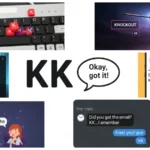
What does “kk” mean in text?
“KK” means “okay okay.” It’s a friendly confirmation often used in casual chats and gaming conversations.
Example:
A: meet me in the lobby
B: kk
Is “k” used on social media?
Yes. You’ll commonly see “k” on platforms like:
- Snapchat
- TikTok comments
- Gaming chats
- SMS texting
But it’s still considered very informal.
Final Thoughts
The slang “k” may look simple, but it plays a big role in modern texting. It’s one of the shortest replies people use to acknowledge messages quickly.
While it basically means “okay,” the tone can sometimes feel neutral, casual, or slightly blunt depending on the conversation.
To avoid misunderstandings, many people prefer using “ok,” “kk,” or “okay” when they want their response to sound friendlier.
Still, in fast-paced chats with friends or gaming groups, “k” remains one of the most common and convenient texting replies.

I’m Emily Perniks, a writer who loves sharing heartfelt wishes and inspiring words. I find joy in creating messages that connect people through warmth and positivity. Each piece I write reflects my passion for kindness and meaningful expression. Through my words, I hope to bring comfort, smiles, and genuine emotions to others.